

Many manufacturing businesses have been established for a very long time and have decades of experience within their industry. They have a wide range of specialist services and capabilities and can offer a range of manufacturing and production with significant technical expertise and manufacturing capability.
The question is, what is the best way to improve your manufacturing business website?
The big problem that many suffer from is that their website does not effectively communicate this to website visitors and potential buyers. The website is treated as a functional online document that contains a collection of facts about the business from the perspective of the business owner.
They often lack the appreciation of how the customer is visiting the website, what they are looking for (in their understanding) and what needs to be done to generate a reaction from them to make them make an enquiry.
Users will search for solutions to problems because they don’t know what they need.
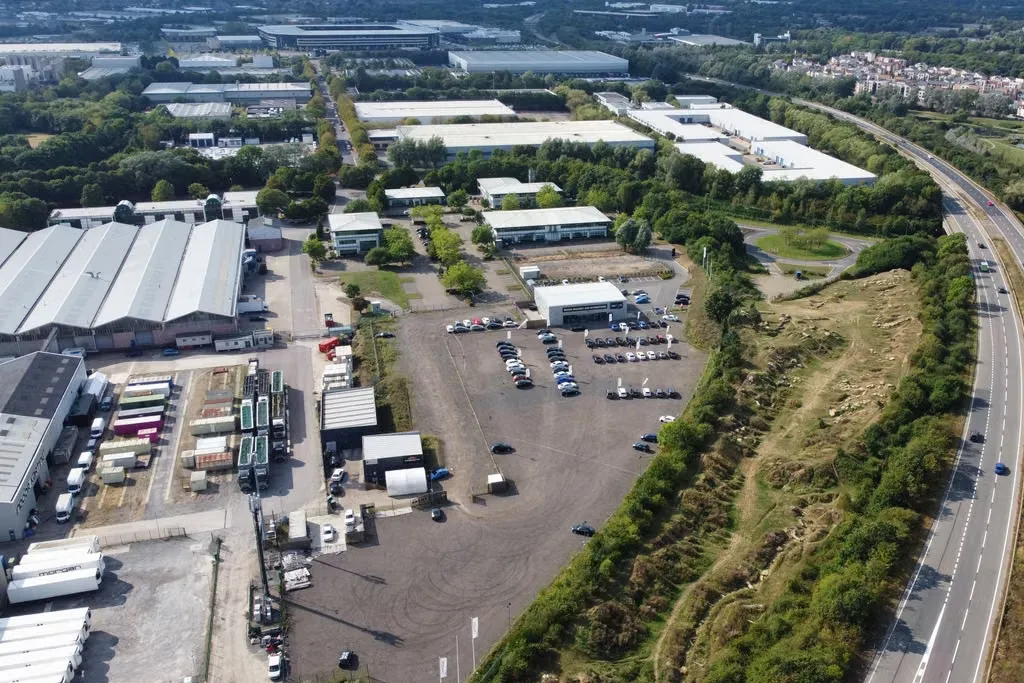
Manufacturing companies are good at talking about their history in manufacturing, which helps establish credibility and trust. Visitors can see that the business has experience and a wide range of capabilities.
Demonstrating multiple manufacturing services under one roof is a great strength. It positions the company as a single-source supplier for customers who need answers to a range of problems.
Contact details need to be easy to find and appear consistently across the website. This reduces friction for visitors who are ready to enquire.
Key areas that often require improvement
The overall design is often dated compared to other modern industrial and manufacturing websites.
Issues such as
When visitors first arrive, it must be immediately obvious what the company provides and why they should use you.
Modern websites typically communicate these points incredibly effectively within seconds through a concise headline, supporting statement, and strong call-to-action.
Content usually focuses on manufacturing processes and company capabilities. While this is important, buyers are usually more interested in outcomes:
For example, instead of saying:
“We offer CNC machining.” Or “We provide fabrication services.”
The website should emphasise:
Messaging is often more company orientated rather than customer centric.

The best way for manufacturing business to explain what they can do and provide proof is through real life case studies. Evidence of completed projects, customer success stories and measurable results provides proof and will immediately begin to make the visitors want the same thing.
Potential customers want proof.
Service pages can be relatively brief and use general manufacturing terms. Opportunities include:
This can improve organic search visibility and generate more inbound enquiries.
Some pages may contain very detailed information while others feel sparse or underdeveloped. A consistent content strategy improves professionalism and user confidence
Every page should actively guide visitors toward the next step that you want them to take. Do not just rely on them finding the ‘Contact Us’ page
Examples of stronger CTAs include:
The website should not rely on visitors deciding for themselves what to do next.
Although many manufacturing businesses have extensive experience and accreditations, their website dors not showcase them. A great way to do this is by clearly including trust-building elements such as:
These elements help reassure procurement teams and decision-makers.
Many industrial websites are dated and were originally designed for desktop users and later adapted for mobile devices. Therefore, layout structure is technically mobile friendly but many users and not desktop based in the modern day.
Even if they are desktop based in the office, they still often view a website away from their desk and the experience must be as slick, fast and easy to use on a mobile as desktop.
So many manufacturing business websites can benefit from a mobile-first redesign that focusses on:
Many manufacturing websites provide information about lots of divisions and capabilities. But this can make them very difficult for visitors to understand where they need to go on the website to find what they are looking for.
Navigation is often just one long list with all option having equal emphasis and importance. Services and Contact are same as ‘Recruitment’ and ‘News’
This can be solved with a strategic navigation structure that organises content around the most important information for the customer:
Rather than simply listing internal departments often described in industry jargon and terminology that the customer doesn’t understand.
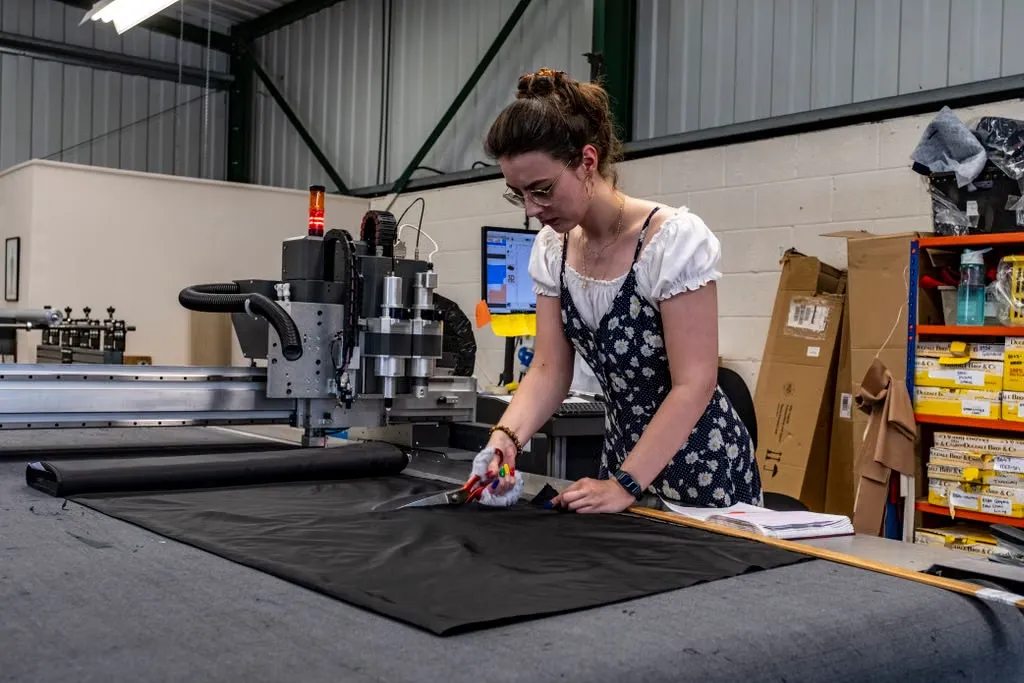
Many manufacturing businesses are far stronger and have more capability than their website suggests. They have extensive manufacturing expertise, a wide range of services, and decades of experience, but their website does not fully communicate strengths in a modern, persuasive way.
This can result in a loss of visitors, enquiries and ultimately sales. The biggest opportunities are often just presenting existing expertise in a way that is easier to understand, more visually compelling through trust and evidence, and more focus on customer outcomes.
These are all things that modern B2B buyers expect when visiting potential manufacturing partners on their websites.
