When someone needs their car repaired or serviced, they are looking for something specific on a car garage website. They have a problem and want to find a garage they can trust to do the work properly, charge a fair price and get them back on the road.
Users start with a general search, but when they land on a website, they immediately begin to narrow what they are looking for.
This might be by make or type of car, or the problem they think they have.
It is important therefore to quickly answer the questions in their mind, describe who you can help and overcome fears (such as bad repairs, unagreed costs and where you are).
The website needs to do more than simply list services. Answer important questions fast without having to decipher blocks of text with technical jargon. Remove uncertainty and be easy to contact.
This is the first thing in the mind of the visitor.
Quickly begin to answer these questions with images of relevant types of vehicles (age, makes) inside your premises and clear messaging.
For example, if specialising in older vehicles or particular makes, have images of this type of vehicle in your workshop. Or for off road vehicles show these. Don’t try and show lots of vehicles. Just a few select good quality images.
Clear, easy to read positioning statement tells the visitor what you specialise in, and it helps you target they type of customers you want to attract. Avoid vague opening statements such as “Welcome to our website” or “Quality automotive solutions.”
Tell visitors exactly what you do and who you do it for.
List the main services, such as:
Each service offers should have its own page. This gives customers more useful information and helps your website appear when local people search for that specific service.

Many customers know little about how their car works and they are not really interested. They just want it taken care of. But they may have worries about things like bad repairs or unnecessary charges.
Reassure visitors. Explain how you work, whether you provide estimates up front, advise customers before carrying out additional repairs and explain what work is required. Simple assurances can be more persuasive than broad claims.
Real examples of work you have provided demonstrate expertise and real proof that you know how to fix a specific problem.
“A customer with a [type of car] came to us after being told they needed a new gearbox. We diagnosed a much smaller fault and repaired it for £___.”
List the problem, type of car, how it was fixed, how long it took. Specific examples are far more memorable than saying you offer “excellent service.”
They are also likely to get indexed in search. Case Studies do not need to be long. Just explain the problem what happened and the outcome.

Demonstrate expertise and by creating a structured knowledge section organised into categories with each subject posed as a question. People search Google and AI with questions.
A comprehensive section on your website providing answers to questions is likely to get found in Search and demonstrate expertise.
Just provide enough of an answer to leave the customer wanting more and guide them to contact you.
Anyone can claim to offer a high-quality service. Customers are more likely to believe you when your website provides evidence.
Include details such as:
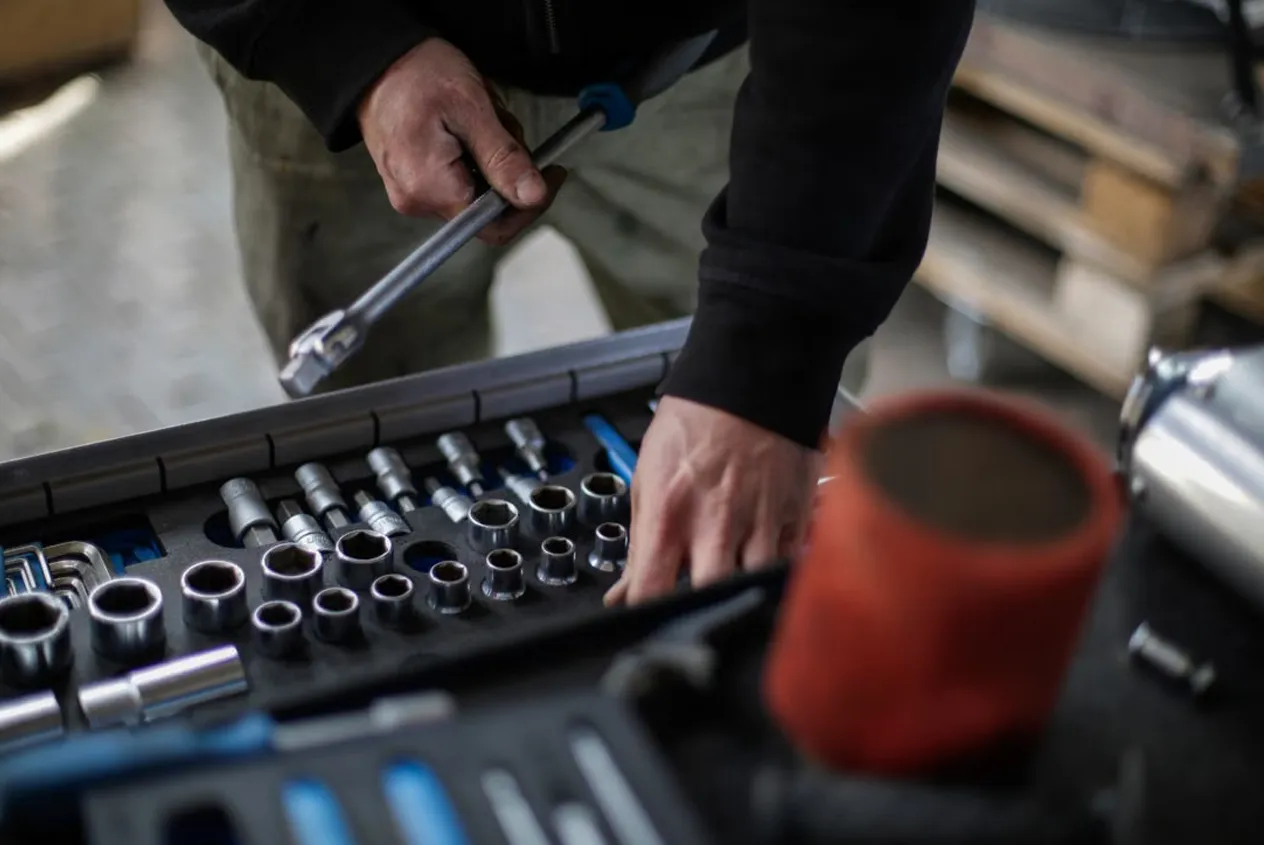
Use genuine photographs wherever possible. Pictures of the actual premises, mechanics and equipment make your business adds personality and feels more credible. Generic stock photographs do not cut it.
Reviews are one of the biggest factors when choosing a garage. Customers want to know how other motorists were treated and whether they were happy with the work. Do not hide them away on a reviews page.
Display the strongest recent reviews prominently on the website. If you have a high Google rating, make it visible and provide a link to your full Google Business Profile.
The most persuasive reviews often mention specific benefits, so encourage customers to mention these in their review
Before contacting you, customers do their research online and want to know things like:
Make these details easy to find. If visitors need to call just to find out basic information, some will leave and try another garage.
It is not always possible to give a fixed price for repairs. However, that does not mean your website should avoid pricing completely.
You could provide starting prices for standard work such as servicing, MOTs, diagnostics or air-conditioning recharging. For repairs that vary, explain how customers can request an estimate and explain what affects the price.
Being open about how you calculate prices helps reduce uncertainty. A phrase such as “Contact us with your registration number and a brief description of the problem” gives visitors a clear next step.

A garage website loses enquiries when its contact details are difficult to find.
Your telephone number should be prominently displayed at the top of every page. Visitors should be able to tap the number on their phone to call you immediately.
There are now so many ways to provide visitors to contact you such as phone, live chat and WhatsApp.
Your website should clearly mention the town and surrounding areas you serve. This helps search engines understand where your garage is located and helps customers confirm that you are nearby.
Create useful pages for your main services and use natural phrases such as “car servicing in Northampton” or “car repairs in Kettering.” Do not repeatedly force keywords into the text. The content should always sound as though it was written for customers rather than search engines.
Your business name, address and telephone number should also be consistent across your website, Google Business Profile and other online directories.
A successful garage website makes the customer’s decision feel simple and safe. It quickly communicates what you do, demonstrates that you can be trusted and provides an obvious way to take the next step.
Every important page should include a clear call to action, such as:
Does your car need servicing or repairs? Tell us what you need and we’ll explain the next step.
Direct people to call, email, message with an enquiry.
This helps you and gets the customer engaged if they can tell you what the problem is. Customers probably do not know which service they need. So instead of making them choose from a list of technical names, let them start with the problem they have.
A prominent “Tell Us What’s Wrong” form is more useful and distinctive than a standard ‘contact us’. Get customers to enter their registration, describe the symptoms and even upload a photograph or short video.
People worry about leaving their car with a garage because they do not know what will happen. Show your process clearly:
Use good calls to action
“Contact us” gives customers no idea what happens next. Try more specific calls to action: